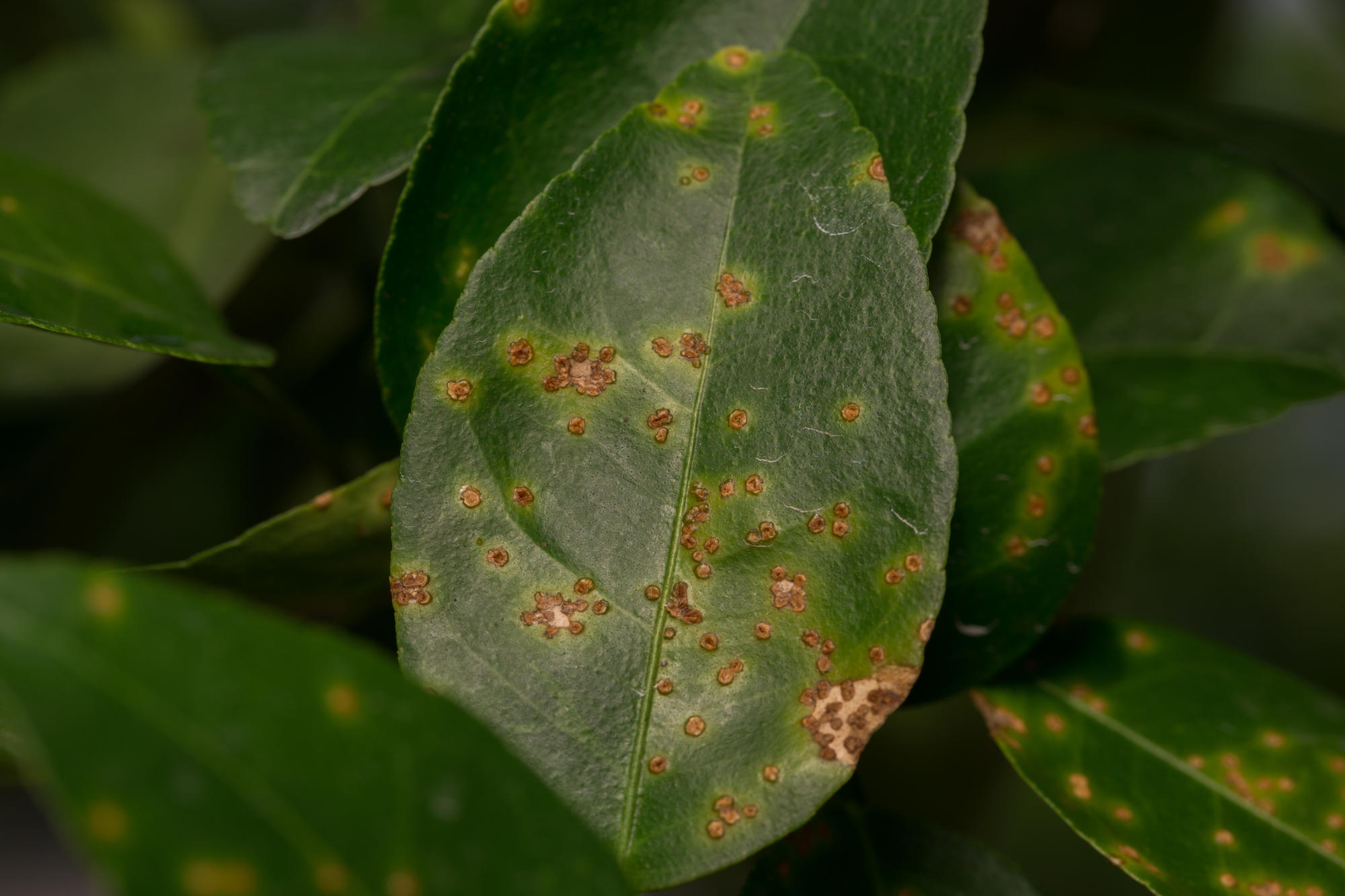
5 Reasons Why Your Plants Are Struggling
THE LAW OF LIMITING FACTORS
There are five factors that promote a plant’s growth. If we want a plant to respond well, we need to provide the optimum characteristics of ALL of these factors. You could be doing well on four of the five factors, but if that fifth factor isn’t optimized, it will limit that plant’s growth.
The good news is, if there’s a problem and the plant isn’t responding well, we can begin to isolate each factor, and figure out which one is causing the problem and how to solve it.
THE FIVE LIMITING FACTORS:
- Air quality
- Water quality
- Nutrients/feed
- Light
- Growing media
1. AIR QUALITY
On a basic level, air quality involves O2 and CO2 content, but there are other aspects, as well.
For example, if someone had their growing operation next to a bus depot and all the fumes were getting into the plants’ air, it would create serious problems.
I’ll talk about CO2 and carbon in the next post, and how some growers are adding CO2 to their air systems and seeing increased yields.
2. WATER QUALITY
Water must be monitored for several things.
Just because your water is coming from the city, doesn’t mean that it’s good-quality water.
Years ago, when I was teaching horticulture, we had three greenhouse operations in different parts of the city. With students, things are bound to go wrong at some stage, but, all at once, the plants died in all three locations!
When we began to monitor the pH of the water, it was way off at all three sites – about 8.5/9, which is extremely high. It didn’t matter how much pH Down we put in the water, within a matter of hours it was back up to 8.
As we began to do some research, we found out that other places had the same problem. Additionally, three-to-five million chicks died, and a guy I knew who had a store for aquarium fish lost all his stock.
What the city hadn’t told anybody was that they had changed the water source. Because the new source was much farther from the city than the original one, the water was arriving with a higher-than-acceptable bacteria count, so, instead of the regular chlorine, they were adding chloramine to the water – and they hadn’t notified anyone of this! It caused major problems, even destroying the microbial life at the water-treatment plant.
Starting with clean water is critical to your success.
I come across a number of growers who are working on well water, and that will be very different from location to location. You need to have it lab tested for hardness, minerals, pH, etc.
3. NUTRIENTS/FEED
Plant nutrition is one of the primary things we’ll be focusing on in the future.
There are sub-factors here, within the nutrient profile, that will limit growth. If you’ve got just one deficient element in your nutrient profile, you’ll have a problem. For example, the lab will test your solution and tell you that iron (Fe) is in the optimal range, but there are different forms of iron. Iron comes in Fe2+ and Fe3+. One is absorbed by the plant, and the other isn’t – it’s like the plant can’t see it, and it will become iron deficient if only that form is present.
4. LIGHT
For outdoor growers, getting enough light shouldn’t be a problem. Greenhouse growers need to take various things into consideration, including the type of coverage. However, for indoor growers, light is probably one of the most limiting factors.
5. GROWING MEDIA
When I visit growers, 90% of the problems I see come back to the growing media. It doesn’t seem to matter what commercial mix they’re using, there’ll be a problem. It’s remarkable that this isn’t being addressed.
I’ll discuss in future posts the specific characteristics you need for optimal growing media.
IF YOU’RE JUST GETTING STARTED
There are a lot of ways to grow. Probably one of the biggest decisions you’ll need to make is what system you’re going to use.
Outdoors? In the ground or in pots?
Greenhouse? There are a whole range of factors we can help you with, including things like air circulation. I walk into a lot of greenhouses that aren’t optimized for growing anything!
Indoors? Probably 70% of the people I help out are indoor growers. Indoors, things are really variable. Small or big rooms? Eight-foot or 20-foot ceilings? What kind of air exchange system? What kind of filtration system? How will you control temperature and humidity? And you’re 100% dependent on artificial lighting.
Of course, that also means that you can have multiple crops, as you’re not subject to seasons.
Indoor facilities are always going to yield the most capital; outdoor facilities the least. Greenhouses have huge potential but must be set up properly.
Other decisions you will have to make: will you use hydroponics or flood and drain? Will you use soil? If so, what kind? What sort of fertilizer delivery system will you employ? Will you install drip irrigation or water by hand? Will you grow ten-foot plants and harvest less often, or shorter plants and have a faster turnover?
The simpler you can keep your operation, the better. The more complex it is, the more there is to go wrong. The choice is really up to you – but I have not seen these high-tech operations turn out better results in terms of dollar values.
If you are already set up and you’re wanting to get more information, we can help. The important thing is, no matter which of the limiting factors is causing your problems, it can be solved.
Leave us your feedback and let us know what your biggest struggle is.